






Why You Always Overspend (Even When You Know It’s Wrong) – Psychology Explained
Why Do We Spend More Than We Should
“Ever checked your bank balance and wondered where your money disappeared?”
Most people believe overspending is a money problem.
It is not.
It is a psychology problem.
You do not spend because you need things.
You spend because of how you feel.
This is the truth that most people ignore.
A person earning 20,000 struggles.
A person earning 1 lakh also struggles.
Income changes.
Behavior does not.
At the same time, spending is not wrong.
We earn money to live, enjoy, and take care of ourselves.
The real problem is not spending.
The problem is uncontrolled and unplanned spending without thinking about the future.
Many people don’t realize that overspending is one of the most common financial mistakes early in life. You can read more in Common Money Mistakes Indians Make in Their 20s (And How to Avoid Them)
The Emotional Trigger Behind Spending
Think about the last time you spent money unnecessarily.
Was it because you needed that product?
Or because you felt something?
- Stress
- Boredom
- Sadness
- Excitement
Spending is often an emotional reaction, not a logical decision.
When you feel low, buying something gives a temporary sense of happiness.
This is called emotional spending.
The problem is, the happiness is temporary, but the financial impact is long-term.
To understand this better, behavioral finance explains how emotions influence money decisions and often leads people to make irrational spending choices driven by psychological biases rather than logic.
The Dopamine Effect
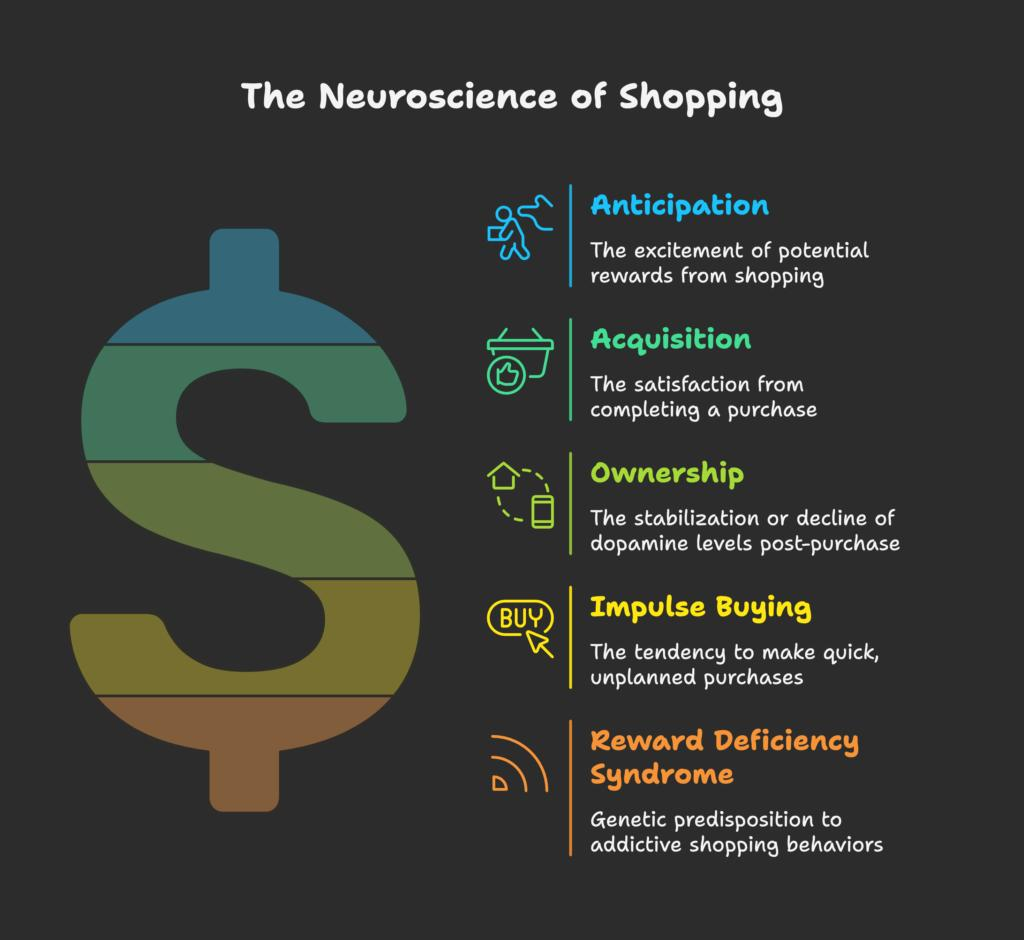
Every time you buy something, your brain releases dopamine.
This is the same chemical responsible for pleasure and reward.
Online shopping apps, discounts, flash sales, and limited-time offers are designed to trigger this response.
That is why:
- You feel excited when you add items to your cart
- You feel satisfied when you complete the purchase
But after some time, that feeling fades.
Then you look for the next purchase.
This becomes a cycle.
The Illusion of Small Spending
Most people do not lose money in big purchases.
They lose it in small, repeated spending.
- Food delivery
- Subscriptions
- Impulse online orders
- Daily unnecessary expenses
Individually, these look small.
But over a month or year, they create a significant financial drain.
This is dangerous because it feels harmless.
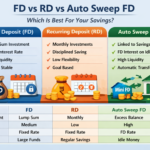
Instead of letting small expenses drain your money, you can use that amount in safer options. Learn more in FD vs RD vs Auto Sweep FD Explained: Which Is Best in 2026?
Social Comparison Trap
We live in a world where everyone is showcasing their lifestyle.
Social media creates pressure to match others.
- Better phone
- Better clothes
- Better lifestyle
You start comparing your life with others.
Sometimes, we buy things not because we need them, but because someone else bought them.
This is a funny but very real situation.
You see someone using something, and suddenly you feel like you also need it.
In reality, you don’t.
The EMI Illusion
EMI makes everything feel affordable.
Instead of paying a large amount, you pay a small monthly amount.
This creates a false sense of affordability.
You start thinking:
“It is only 3000 per month”
But you forget:
- You are committing future income
- Multiple EMIs add up
- Financial pressure increases
EMI is not just a payment option. It is a psychological trap if not used carefully.
A Real-Life Story (This Happens Every Day)
Let me share a small real example.
One of my friends took me to a trimmer shop. His trimmer had a small issue and he just wanted to repair it.
The repair person said it would cost 200. If we bargained, it could have come down to 150.
Simple problem. Simple solution.
But then something interesting happened.
He started looking at new trimmers.
The same model was available for around 900.
Then he thought, “Why not buy a better one?”
Slowly, his mind shifted.
From repair → to buying new → to upgrading.
Finally, he ended up buying a trimmer worth 2500.
But the story does not end there.
While coming back:
- He bought a cap for 200
- A glass for 150
- Then his SIM had some issue, so he converted it to a postpaid plan costing around 2000
- Petrol cost another 150
What started as a 150–200 repair ended up becoming nearly 5000 spending.
This is not about money.
This is about how our mind works.
Lack of Financial Awareness
Many people do not track where their money goes.
They earn, spend, and repeat.
Without awareness, there is no control.
If you do not measure your expenses, you cannot manage them.
This is why budgeting is not about restriction. It is about clarity.
Instant Gratification vs Delayed Gratification
Overspending is driven by instant gratification.
You want satisfaction now.
Saving and investing require delayed gratification.
You sacrifice today for a better future.
Most people choose the present over the future.
That is why they struggle financially.
My Personal Observation
From my experience, overspending is not about lack of money.
It is about lack of self-control and awareness.
We earn money, so naturally we want to spend on ourselves. That is completely fine.
But spending without thinking about future goals creates problems.
Balance is the key.
Spend for your present.
Plan for your future.
How to Control Overspending

1. Identify Your Triggers
Notice when you tend to spend unnecessarily.
Is it when you feel stressed or bored?
Awareness is the first step.
2. Follow the 24-Hour Rule
Before making a non-essential purchase, wait 24 hours.
Most impulse decisions disappear with time.
3. Track Your Expenses
Write down every expense.
This creates accountability.
4. Limit Easy Access
Remove saved cards from shopping apps.
Reduce convenience to reduce impulse.
5. Focus on Goals
When you have a clear financial goal, unnecessary spending reduces automatically.
The Real Truth About Money
Money is not lost in one big decision.
It is lost in small daily habits.
Changing your financial life does not require a huge income.
It requires small behavioral changes.
Final Thoughts
Overspending is not about lack of discipline.
It is about lack of awareness.
Once you understand the psychology behind your spending, you gain control.
Financial growth starts in the mind, not in the wallet.
One Line Takeaway
You do not need more money. You need better control over how you use it.

1 comment