







Why Health Insurance Is a Lifesaver, Not Just a Policy
From what I’ve seen and personally experienced, medical emergencies in today’s India don’t just affect health — they can completely destroy finances.
Over time, I realised that medical expenses don’t give any warning. Treatment rarely stays limited to one bill or one procedure — tests lead to scans, scans to interventions, and hospital stays extend unexpectedly. Without health insurance, families are forced to think about money at every step, instead of standing beside their loved ones and focusing fully on the best possible treatment, which is emotionally exhausting at an already painful time.
Private healthcare costs have reached a level where even basic treatment can wipe out a family’s lifetime savings. I’ve witnessed situations where a loved one was rushed to a reputed private hospital with the hope of receiving the best care. Within days, the financial reality became frightening — medicines, ICU charges, scans, procedures, specialist consultations, and doctor fees together crossed ₹10–15 lakhs without any warning.
This is not a rare or imaginary situation. It is happening every single day to middle-class families — not due to carelessness, but due to a lack of awareness about the true cost of modern medical treatment and the belief that such a situation may never happen to them.
Across India, thousands of families have spent ₹20–30 lakhs or even more on serious illnesses like cancer, heart surgeries, kidney failure, organ transplants, or long ICU stays. What hurts the most is this — many people didn’t lose their loved ones because treatment wasn’t available; they lost them because they couldn’t afford it. I’ve personally seen families who wanted to continue treatment but were forced to stop due to money constraints.
In many cases, families are forced to compromise — shifting to smaller hospitals, delaying critical procedures, reducing treatment intensity, or discharging patients early just to manage expenses. This is the real, silent cost of not having health insurance, and its impact lasts long even after recovery or loss.
When you have the right health insurance policy, the experience is completely different. I’ve noticed how confidence replaces fear. You don’t hesitate before choosing a good hospital. You don’t delay tests. You don’t think twice before starting treatment. Health insurance gives you freedom, choice, and dignity at a time when emotions are already overwhelming.
Instead of asking, “Can we afford this?”, you can say with confidence, “Yes, do what is required.” That peace of mind itself is priceless.
I truly believe health insurance doesn’t just pay hospital bills — it buys time, clarity, better medical decisions, and peace of mind when everything else feels uncertain.
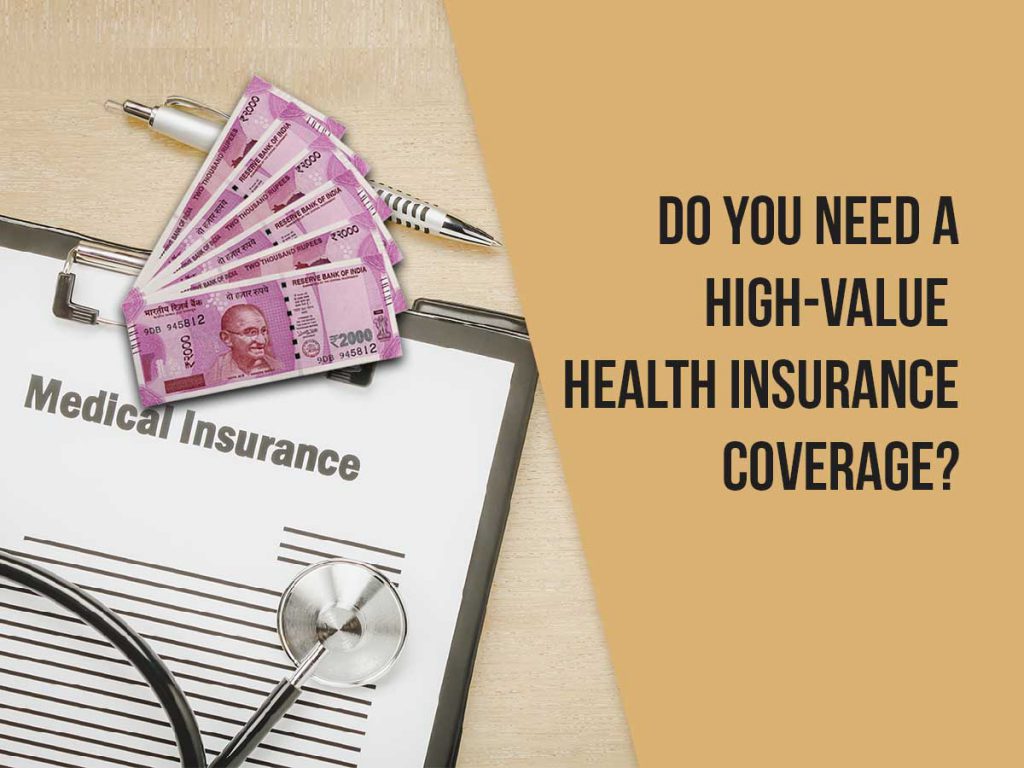
Today, many good health insurance plans offer coverage of ₹10–25 lakhs or more, including cashless treatment, no-claim bonuses, free annual health checkups, and coverage for critical illnesses and daycare procedures. There are family floater plans, individual covers, super top-ups, and disease-specific add-ons. From my understanding, when chosen wisely, health insurance becomes one of the strongest pillars of long-term financial security.
Another point many people forget is pre- and post-hospitalisation expenses. Costs don’t stop at discharge. Medicines, follow-up tests, physiotherapy, nursing care, and repeat consultations can continue for months. A good policy that covers these expenses protects savings even after hospitalisation ends.
Also, long-term illnesses often affect income. Either the patient or the caregiver may have to stop working. Health insurance indirectly protects income by reducing medical stress and financial drain during recovery.
How I Personally Feel Health Insurance Should Be Chosen
From what I’ve learned over time, buying health insurance is not about finding the lowest premium — it’s about choosing a policy that stands with you during the worst phase of life.
First, choose adequate coverage.
With today’s medical inflation, anything below ₹10 lakhs feels insufficient for serious treatment. I personally believe a combination of a base policy and a super top-up is the smartest and most affordable way to build high coverage.
Second, check the hospital network and cashless facility carefully.
A policy is valuable only if it works smoothly in reputed hospitals near you, without claim delays or confusion.
Third, understand waiting periods and exclusions in detail.
Pre-existing diseases, specific treatments, and lifestyle-related illnesses often have waiting periods. Clarity at the beginning avoids disappointment later.
Fourth, pay close attention to room rent limits, co-payment clauses, and disease-wise sub-limits.
These hidden conditions can significantly increase out-of-pocket expenses, even when the sum insured looks high.
Fifth, ensure coverage for modern and advanced treatments.
Medical science is evolving fast. A future-ready policy should cover robotic surgeries, advanced cancer therapies, and modern cardiac procedures, not just basic treatments.
Sixth, consider restoration and refill benefits.
These features automatically restore your sum insured after a claim, which is extremely helpful during multiple hospitalisations in the same year.
Seventh, portability and long-term renewability matter.
I strongly feel you should never feel stuck with a policy. Easy portability and lifetime renewability give you flexibility as your needs change.
Eighth, choose an insurer known for claim support, not just marketing.
In health insurance, claim experience matters far more than advertisements or discounts.
One Rule I Never Compromise On: Honesty
One thing I am very clear about — never hide existing illnesses, past surgeries, lifestyle habits, or ongoing treatments just to reduce premium.
It may feel uncomfortable during application, but honest disclosure protects you during claims. If incorrect information is found later, claims can be rejected or policies cancelled — exactly when your family needs support the most. Paying a slightly higher premium is always better than facing a rejected claim during treatment.
Let’s be honest — most Indian families are just one serious illness away from financial breakdown. Even if room charges are manageable, medicines, surgeries, diagnostics, injections, ICU care, and post-treatment recovery costs can easily run into lakhs.
Without health insurance, every medical decision becomes a financial calculation. With insurance, you feel secure, supported, and confident that your loved ones can receive the best possible care without compromise.
If you’re still thinking, “I’ll buy health insurance next year,” remember this — medical emergencies don’t wait. Buy health insurance when you are healthy, premiums are lower, and options are wider.
Because the real value of health insurance is not just in saving money — it’s in protecting lives with dignity, quality care, and peace of mind.
Written by Badri | MoneyScope360
360° of Money, Markets & Motivation
Related Posts



Siva
Good Article, go ahead, you will reach success

Badri
Thank you sir
3 comments