







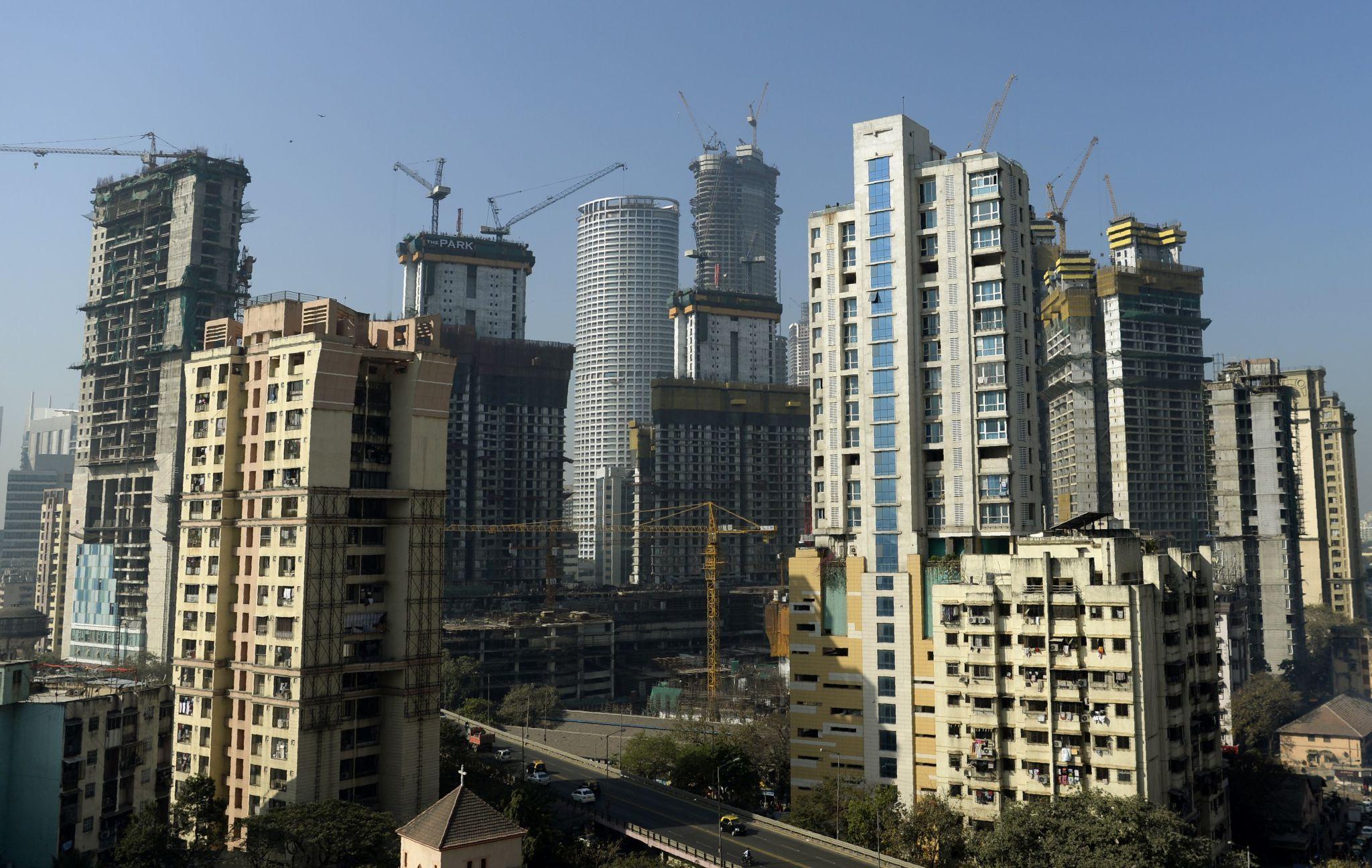
Why India’s Trade Deals Could Trigger the Next Growth Boom
For years, India was called a “sleeping giant.” Everyone believed India had the potential to become a global economic power, but the reality was different.
Global supply chains, trade networks, and manufacturing dominance were largely controlled by countries like China, Vietnam, and South Korea. These nations became export champions while India remained underutilized in the global trade race.
India had the population. India had the talent. India had strong domestic demand.
But still, India was not playing the global trade game at full strength.
Now the situation is changing — and it is clearly visible.
For the first time in years, India is not just watching global trade trends. India is shaping them.
Today, India trade deals and Free Trade Agreements (FTAs) are emerging as one of the strongest engines behind exports, manufacturing growth, and job creation. Over the last few years, India has signed multiple strategic agreements with powerful economies.
Of course, trade deals are not always pure benefit. Every agreement brings both opportunities and challenges. But if India plays smartly, these India trade deals could push the country into its next major growth boom.
Why India Trade Deals Matter for Economic Growth
Trade deals are not just paperwork. They are not just leaders smiling for photos and signing documents.
In reality, India trade deals directly decide how competitive Indian businesses become in global markets. These agreements influence:
- Export volumes and market access
- Import duties and trade barriers
- Foreign direct investment (FDI)
- Job creation
- Manufacturing growth
- Currency stability
- Global trust in Indian brands
When Indian products enter foreign markets with lower tariffs, companies receive more orders. And more orders create a powerful chain reaction:
production increases → factories expand → hiring rises → logistics improves → GDP grows.
This is how nations rise.
That is why India trade deals are far more important than most people realize — because they quietly shape India’s long-term development story.
India Trade Deals: Country-Wise Breakdown
1. UAE Trade Deal (CEPA) – India’s Gateway to Middle East Capital
The India-UAE Comprehensive Economic Partnership Agreement (CEPA) is one of the most strategic India trade deals in recent years.
UAE matters because:
- It is one of India’s strongest trade partners in the Gulf
- Dubai functions as a global business and logistics hub
India benefits through:
- Faster market access for textiles, gems and jewellery, pharma, and engineering goods
- Higher UAE investment into India’s infrastructure, start-ups, and commercial projects
- Greater collaboration on energy security and renewable projects
In simple words, UAE is not just a partner — it is a trade bridge connecting India to Europe, Africa, and global markets.
In my view, UAE is a shortcut route into international trade networks.
2. Australia Trade Deal (ECTA) – Minerals, Education and Export Boost
Australia is resource-rich and extremely important for India’s future industries.
This agreement helps India through:
- Easier exports of textiles, pharma, and engineering goods
- Cheaper imports of strategic raw materials like lithium and critical minerals
- Enhanced collaboration in education and skill development sectors
This deal is not just commercial — it is geopolitically strategic, especially for India’s EV, battery, and electronics ambitions.
In today’s world, critical minerals are like hidden gold. Whoever controls them controls the future. And this is why Australia becomes a key partner in India trade deals.
3. Japan Trade Partnership – Technology Transfer & Manufacturing Excellence
Japan may not be loud, but it is one of India’s most valuable partners.
Japan supports India by:
- Investing in infrastructure and metro projects
- Sharing expertise in industrial manufacturing processes
- Helping build electronics and smart tech ecosystems
Japan doesn’t just invest money — it invests discipline and quality standards.
This directly supports India’s “Make in India” and “Make for the World” mission.
For India, learning industrial excellence from Japan is not just beneficial — it is transformational.
4. South Korea Trade Link – Electronics & Auto Growth
South Korea is already deeply connected with India through Hyundai, Kia, Samsung, and LG.
This partnership contributes to:
- Strengthening India’s electronics manufacturing
- Boosting auto components supply chains
- Supporting battery tech and display tech ecosystems
If India wants to become a global electronics export hub, Korea’s involvement is crucial.
In many ways, Korea strengthens the supply chain backbone that India needs to compete globally.
5. ASEAN Countries – Competition and Opportunity
ASEAN nations like Singapore, Vietnam, Thailand, Malaysia, and Indonesia are major manufacturing hubs.
India’s objectives with ASEAN trade partnerships include:
- Increasing exports and diversifying markets
- Strengthening shipping and trade routes
- Balancing China’s regional dominance
Yes, cheaper imports from ASEAN can hurt some Indian industries. But competition forces improvement.
And honestly, painful competition is sometimes the best teacher. It pushes companies to innovate, reduce costs, and improve quality.
6. UK Trade Negotiations – A High-Value Deal in Progress
The UK trade deal is still in negotiation, but it is a major opportunity.
India seeks:
- Better access for IT services and pharma exports
- Growth in auto components and services sectors
- Better mobility for skilled professionals
The UK wants:
- Alcohol products
- Luxury goods
- Premium cars
If India secures lower tariffs in the UK market, exports — especially pharma and textiles — can grow significantly.
This deal is also about prestige. A strong UK agreement sends a message that India is no longer a developing economy — India is a global competitor.
7. EU Trade Deal – The “Mother of All Deals”
The EU trade deal is one of the most important India trade deals under discussion, though final implementation is still pending.
Europe is a premium market. If India gains strong access, exports in textiles, engineering, and pharmaceuticals can soar.
However, the EU demands strict compliance on:
- Environmental standards
- Labour and safety rules
- Carbon tax structures
- Quality certifications
If India clears these standards, it automatically upgrades its manufacturing quality.
In short, Europe is not just a market — it is a quality test. And passing this test builds long-term global trust.
8. The India–US Trade Deal: Why This Changes the Game
Now comes the biggest development — the India–US trade deal is finalized.
The United States is the world’s largest consumer market. Gaining tariff advantages here creates massive opportunities for Indian exporters.
Earlier, sectors like textiles and specialty chemicals faced tariffs around 18%, limiting competitiveness. That bottleneck is expected to reduce significantly.
With the deal done, India’s export sectors — including:
- pharmaceuticals
- speciality chemicals
- textiles and garments
- engineering goods
- auto components
- IT and digital services
are positioned for rapid growth.
If you want to understand how Indian exporters survive trade pressure and still win global trust, read this related article:
👉 Why Global Buyers Trust Indian Exporters Like Gokaldas Exports
https://moneyscope360.com/why-global-buyers-trust-gokaldas-exports-despite-trade-wars/
US buyers don’t place small trial orders. They place large, repeat contracts.
When pricing becomes competitive, volumes rise — and the impact ripples across the economy:
more exports → more production → more jobs → higher incomes → stronger GDP.
In my view, this deal is not about short-term growth.
It is about locking India into global supply chains for the next decade.
This is not just a trade agreement. This is a silent economic upgrade.
How India Is Using Trade Deals to Accelerate Development
Step 1: Target Strategic Regions First
India started with stable and high-value partners like UAE, Australia, and Japan.
This strategy builds credibility. It’s like building a strong reputation before entering the global big leagues.
Step 2: Back Trade Agreements with Government Schemes
Trade deals alone don’t guarantee growth unless India can produce goods at scale.
That’s why schemes like:
- PLI (Production Linked Incentive)
- Make in India
- Export incentives
are crucial before expecting export acceleration.
India is preparing the ground — not just signing documents.
Step 3: Improve Ports, Roads, and Logistics
Even the strongest India trade deals fail if goods cannot move quickly.
India is upgrading:
- Ports
- Freight corridors
- Highways
- Customs systems
Faster logistics means faster delivery, better reliability, and stronger global trust.
In global trade, speed is power.
Step 4: Reduce Dependency on China
India is focusing on key sectors like:
- Electronics
- Semiconductors
- Defence
- Pharma APIs
Strategic India trade deals help India source raw materials from Australia and the Middle East instead of relying heavily on China.
Reducing dependency is not just business — it is national security.
Step 5: Attract Foreign Manufacturing in India
India’s goal is not just to export goods, but also to bring manufacturing facilities into India.
That’s why investments from global companies, including Apple suppliers and electronics manufacturers, are increasing.
If this trend continues, India’s manufacturing landscape could become completely transformed within the next decade.
This is how India moves from being a consumer market to becoming a global production powerhouse.
Trade Deals Are Not Always Respectful: The Trump Reality
Here’s a truth many people ignore:
Trump’s trade style was not diplomacy — it was pressure politics.
In many cases, agreements were followed by sudden tariff threats and calls for renegotiation. Even allied countries experienced this.
That’s why India must remain vigilant even after signing deals.
Because global trade is not about friendship.
It is about national interest.
Some Negative Effects of India Trade Deals
Trade deals bring growth, but they also bring risks.
Possible negative effects include:
- Cheaper imports hurting small Indian industries
- Domestic companies facing intense global competition
- Some sectors losing pricing power
- Pressure to follow foreign standards and regulations
However, long-term competition makes industries stronger. Indian IT became a global leader only after competing globally.
Short-term pain is real, but long-term gain is permanent.
Why India’s Growth Can Accelerate After These Deals
India is now in a strong position because it has:
- The youngest workforce in the world
- Rapidly rising domestic consumption
- Improving infrastructure
- Global companies looking for alternatives to China
- India trade deals with multiple regions (not dependent on one country)
China grew through exports.
South Korea grew with manufacturing excellence.
Vietnam grew through trade integration.
Now India is following the same path — but on a much larger scale.
If India executes correctly, the next decade can become India’s strongest growth phase in modern history.
Conclusion: India’s Growth Story Is Becoming Global
India’s future development is no longer only internal.
It is now connected with:
- Middle East capital flows
- Australian mineral supply chains
- Japanese technological discipline
- EU market access
- US consumer demand
Trade deals are not just agreements.
They are stepping stones to global economic leadership.
And if India uses them properly, the next 10–15 years could become India’s most powerful growth era.
Because the truth is simple:
India is no longer preparing for growth.
India is entering the growth era.
FAQs
1. What is a trade deal or Free Trade Agreement (FTA)?
A Free Trade Agreement (FTA) is a deal between two countries that reduces import duties and trade barriers, making it easier for businesses to export and import goods.
2. How do India trade deals support job creation?
When exports rise due to lower tariffs, companies expand production and hire more workers across manufacturing, logistics, and service sectors.
3. Why is the India–US trade deal important for exporters?
The US is the world’s largest consumer market. Lower tariffs make Indian products more competitive, leading to larger long-term export orders.
4. Why is the India–EU deal called the “Mother of All Deals”?
Because the EU is a premium market. Better access can boost textiles, pharma, and engineering exports while improving India’s global quality standards.
5. Can India trade deals harm local industries?
Yes, cheaper imports can impact some domestic industries. But over time, competition strengthens industries through innovation and efficiency.
6. Which sectors benefit most from India trade deals?
Pharma, textiles, speciality chemicals, auto components, IT services, electronics manufacturing, and engineering exports benefit the most.
7. How do PLI and Make in India support trade deals?
Trade deals increase market access, while PLI and Make in India strengthen production capacity. Together, they help India export competitively.
Written by Badri | MoneyScope360
360° of Money, Markets & Motivation
1 comment